
Switching chamber: why it is important in medium voltage
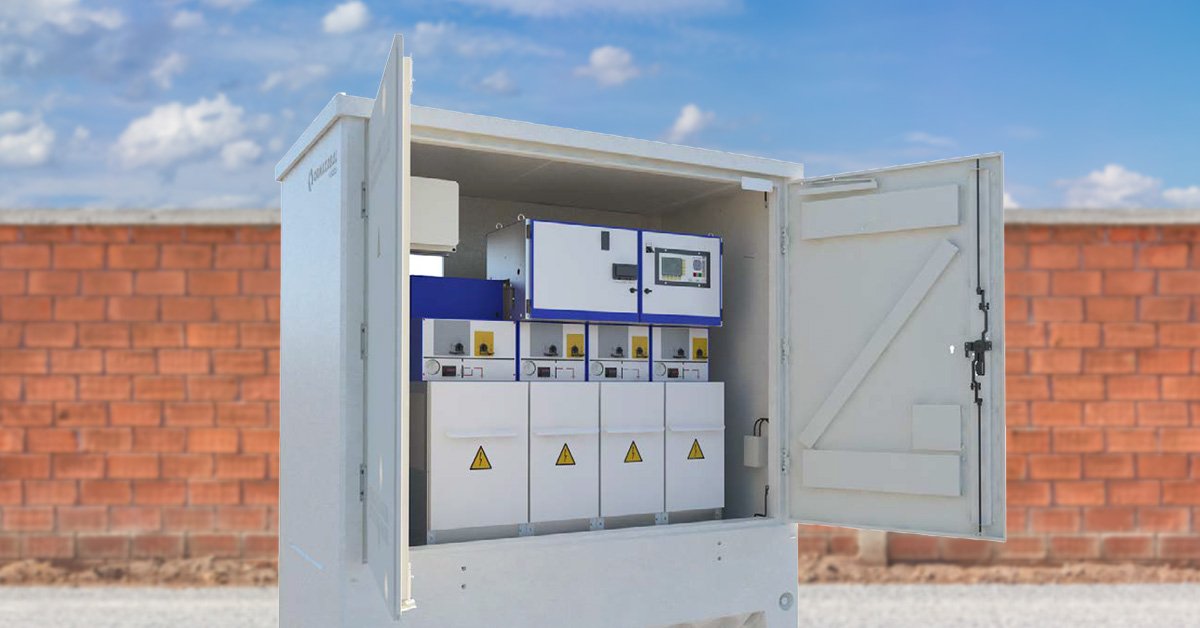
What is a switching chamber?
The switching chamber is a technical compartment where the equipment responsible for controlling, protecting, sectioning, or switching electrical circuits in medium voltage networks, generally between 1 kV and 36 kV, is installed. It houses devices such as:
The term "chamber" refers to the closed and protected space where this equipment is installed. "Switching" refers to the electrical operations performed there — such as turning on, turning off, switching, or isolating parts of the system.
What is the switching chamber used for?
The main function of the switching chamber is to ensure the continuity and safety of electrical power distribution, even in failure or maintenance situations. In other words, it allows operators to control the power flow, isolating specific areas, protecting equipment, and ensuring the safe operation of the electrical grid.
Furthermore, it facilitates scheduled maintenance and prevents a specific failure from causing interruptions throughout the entire installation.
Where is it used?
The switching chamber is an essential item in various types of enterprises and installations operating with medium voltage. It is commonly found in:
Most common types of switching chambers
There are different types of switching chambers, and the choice depends on the environment, the application, and the required level of protection. The main types are:
Generally built in masonry or concrete, installed underground with access through covers. It is common in underground urban networks. Although it works well, it requires greater care with ventilation and protection against moisture.
This is the most modern, compact, and safe model. Also known as metal-clad switchgear, it is manufactured in sheet metal and has separate internal compartments for each function (switching, protection, measurement, etc.).
The great differentiator is the total shielding against accidental contacts and electric arcs, which significantly increases operational safety. In addition, it offers greater durability, lower maintenance needs, and faster installation. It is the ideal choice for industrial environments, shopping centers, and places where safety is a priority.
What is the relationship between the switching chamber and disconnectable terminals?
A fundamental item for the safe operation of the switching chamber is the medium voltage disconnectable terminals. They are responsible for connecting the power cables to the chamber's equipment, such as transformers, switches, and circuit breakers, in a modular, safe, and pluggable way.
Unlike conventional terminals, disconnectable terminals allow the electrical connection to be easily made and unmade, without the need to disassemble or directly access energized parts. They are generally of the "elbow" type and fit into the equipment bushings with total insulation.
Inside a metal-clad switchgear, for example, disconnectable terminals are the best solution for connecting cables quickly and safely, facilitating maintenance, replacements, and switching without compromising the integrity of the installation.
Trifásica Elétrica has the ideal solution for your installation
If you are designing or modernizing a medium voltage electrical installation and looking for reliable solutions for switching chambers, Trifásica Elétrica has what you need. We work with a complete line of medium voltage disconnectable terminals, ideal for use in metal-clad switchgear and other switching chamber configurations.
Frequently asked questions
Are the switching chamber and circuit breaker the same thing?+
The chamber is the part of the circuit breaker (or switch) responsible for extinguishing the arc when opening the contacts.
Vacuum or SF6 in the chamber?+
Vacuum is the most common in the industry due to low maintenance; SF6 is recommended for compact assemblies.
Trifásica Elétrica distributes medium voltage materials throughout Brazil.
Request a quote