
How to size cables for electrical grounding
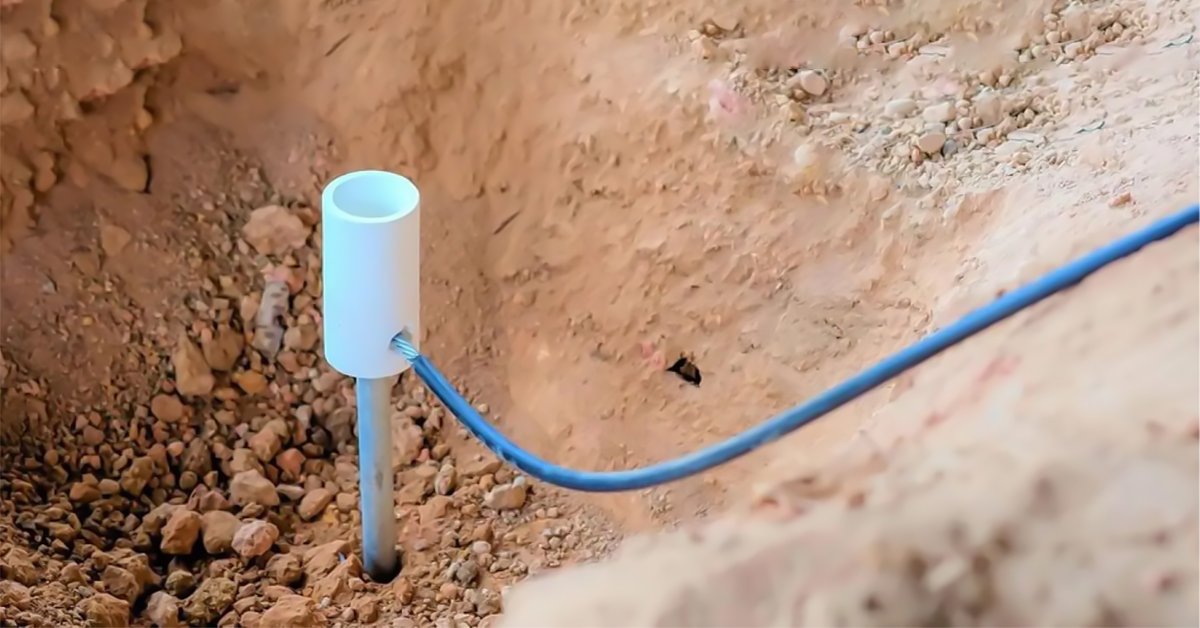
This process creates a safe route for the dissipation of unwanted electrical currents, such as those resulting from short circuits or lightning strikes. In this way, it protects equipment and people against the risks of electric shock and fires.
Therefore, electrical grounding is fundamental to ensure the safety and proper operation of electrical systems. Thus, it provides a low-resistance path for the flow of unwanted current, minimizing the damage and hazards associated with electrical faults.
Shall we learn more about the subject? Then, stay with us.
What is the importance of electrical grounding?
Electrical grounding is fundamental for the safety and reliable operation of electrical systems. Understand what its benefits are.
>> You might also like to read: the importance of electrical grounding in the property
How to size cables for electrical grounding?
The sizing of cables for electrical grounding is a critical part of the electrical design, as it ensures the effectiveness of the protection system. To correctly size the grounding cables, it is necessary to consider several factors, including:
An important tool to facilitate this process is NBR 5410, which provides guidelines and reference values for sizing the components of the grounding system. Therefore, the NBR 5410 standard is fundamental to ensure the compliance and safety of electrical installations.
It is important to emphasize that the tables and recommendations of the NBR 5410 standard simplify the sizing process. In this way, they eliminate the need for complex calculations.
However, it is essential that a qualified electrician familiar with the standard performs the sizing to ensure the safety and effectiveness of the electrical grounding system.
Recommended cables for electrical grounding
The grounding electrodes (which is the part that is buried and connected to the copper alloy ground rods) are interconnected by bare copper cables, although it is also possible, according to NBR 5410, to use bare copper or steel tapes and bars.
In the above-ground part, called the equipotential bonding of the electrical installation, bare copper cables or insulated cables can be used. All conductors, including bare copper cables, 750 V insulated cables, and 1kV cables, are suitable.
Errors in the grounding system
It is important to emphasize that some serious errors can compromise the grounding system.
Errors in the underground grounding system (grounding electrode):
Problems in equipotential bonding (above-ground part):
You can find electrical grounding material at Trifásica
At Trifásica Elétrica, you will find all the necessary materials for your electrical grounding project. We offer high-quality products to ensure a safe and reliable electrical installation.
Frequently asked questions
What cable size to use for grounding?+
It depends on the fault current and the protection operating time, according to NBR 15751. Do not use generic values without calculation.
Bare copper or insulated cable?+
In grounding, bare copper is the most used due to its conductivity and corrosion resistance in the soil.
Are grounding and LPS the same thing?+
They are related, but LPS is the lightning protection system; both share the grounding grid.
Trifásica Elétrica distributes medium voltage materials throughout Brazil.
Request a quote