
Advantages of polymeric and disconnectable terminations
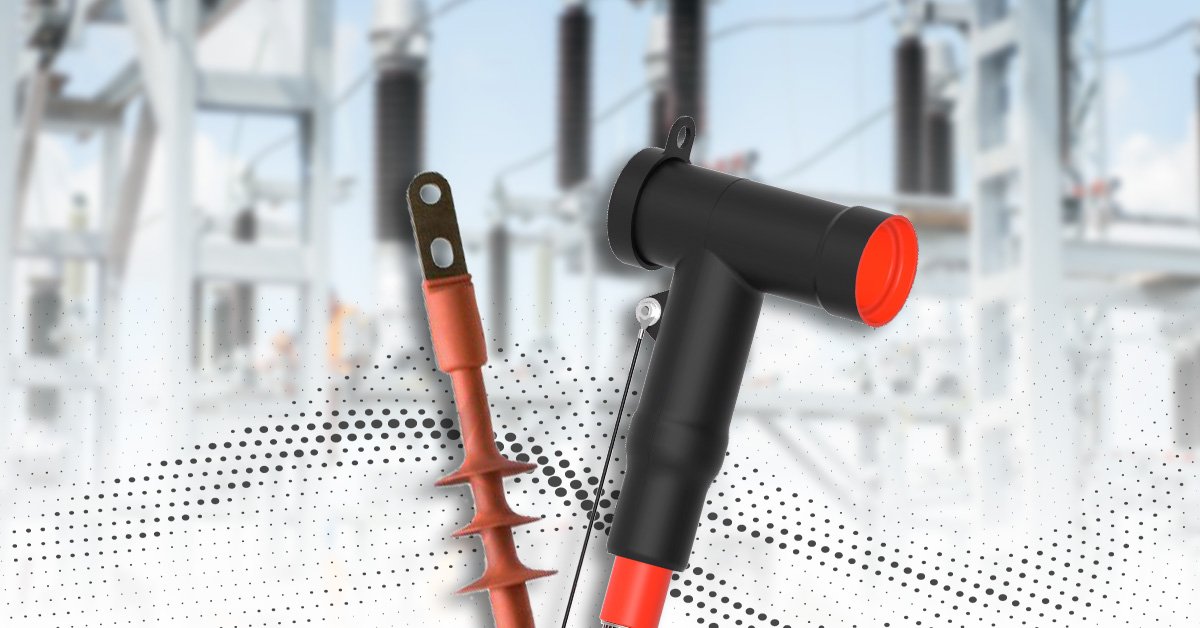
In medium voltage networks (15 to 36kV), polymeric and disconnectable terminations are widely used due to their superior insulation characteristics, mechanical strength, and ease of installation. But what exactly are these components?
Polymeric terminations are insulation solutions for electrical cables composed of high-performance polymeric materials, such as elastomers and silicones, which provide high electrical, mechanical, and environmental resistance.
Disconnectable terminals, on the other hand, are modular accessories that allow the safe connection and disconnection of medium voltage cables without the need for a total system shutdown, ensuring greater operational flexibility.
In this article, we will discuss the main advantages of these solutions, highlighting their benefits compared to other technologies and their importance in the modernization of electrical infrastructures.
1. Greater Resistance to Weathering and Adverse Environments
Polymeric terminations are designed to withstand extreme weather conditions, such as high humidity, UV radiation, and temperature variations. The polymeric material used in these terminations has high resistance to degradation, which significantly reduces the risk of premature failures.
This is especially relevant for applications in outdoor networks, where exposure to environmental agents can compromise the durability of electrical connections.
Disconnectable terminals, in turn, are manufactured with high-performance insulating materials, which prevent the formation of electrical arcs and improve system performance in environments with a high incidence of pollution and humidity.
2. Ease of Installation and Maintenance
Unlike conventional terminations, which require complex installation processes, polymeric terminations are easy to apply, reducing labor time and operational costs.
They do not require special equipment for installation and can be applied to various types of cables, including dry and impregnated cables.
Disconnectable terminals allow for more agile maintenance, since they enable the connection and disconnection of cables without the need for complete system disassembly. This facilitates quick interventions, reducing the downtime of the electrical network.
3. Reduction of Losses and Increased Reliability
Conventional terminations, when poorly installed or subjected to severe conditions, can present problems such as partial discharges and insulation degradation, leading to electrical failures.
Polymeric terminations, being manufactured with advanced dielectric materials, minimize these problems and ensure stable performance over time.
Disconnectable terminals offer an additional advantage: their modularity allows for the quick replacement of damaged components, preventing systemic failures and increasing the reliability of electrical networks.
This is essential for critical sectors such as industries, hospitals, and telecommunications infrastructures, where the continuity of power supply is indispensable.
4. Operational Safety
One of the main benefits of polymeric and disconnectable terminations is the safety they provide to operators and the electrical system as a whole.
The insulating materials used in these technologies reduce the risk of electrical discharges and increase protection against electrical surges.
Furthermore, disconnectable terminals have a design that allows for safe connection and disconnection, without the risk of exposure to dangerous voltages. This factor is especially important in systems that require frequent maintenance or in networks with high operational criticality.
5. Compliance with Technical Standards
Polymeric and disconnectable terminations strictly comply with international and national standards, such as NBR 9313 and IEC 60502-4, ensuring that the products are manufactured and tested within the safety and performance standards required by the electrical sector.
Compliance with these standards is fundamental to ensure the efficiency of the electrical system and avoid risks of failures that could compromise the operation of medium voltage networks.
Invest in polymeric and disconnectable terminations
Polymeric and disconnectable terminations represent a significant advancement for medium voltage networks, providing greater durability, safety, and ease of maintenance.
Their resistance to weathering, simplified installation, and compliance with technical standards make these solutions ideal for applications in industrial, commercial, and critical infrastructure environments.
Investing in these technologies means ensuring greater reliability and efficiency for electrical systems, reducing operational costs, and increasing the lifespan of network components.
But, it is important to mention that they must be purchased through a trusted supplier, who will guarantee the good quality and compliance with product standards.
At Trifásica Elétrica you will find polymeric and disconnectable terminations from reliable brands!
Trifásica Elétrica is an Advanced Distribution Center that has over 15 years of experience from its technical staff, bringing together the entire line of materials for 15 to 36 kV lines.
If your company is looking for safe and high-performance solutions for electrical terminations, considering the use of polymeric and disconnectable terminations can be the key to a more robust and efficient system.
So, if you are in need of medium voltage circuit breakers or other materials for a primary substation, contact us! It will be a pleasure to help you!
Frequently asked questions
What is the advantage of disconnectable terminations?+
Allows connecting and disconnecting the cable safely, facilitating maintenance — ideal for transformers and metal-clad switchgear.
Are polymeric terminations safe?+
Yes, with insulated and shielded parts; it offers quick assembly and good dielectric performance.
Trifásica Elétrica distributes medium voltage materials throughout Brazil.
Request a quote