
Autotransformer and isolation transformer: what are the differences
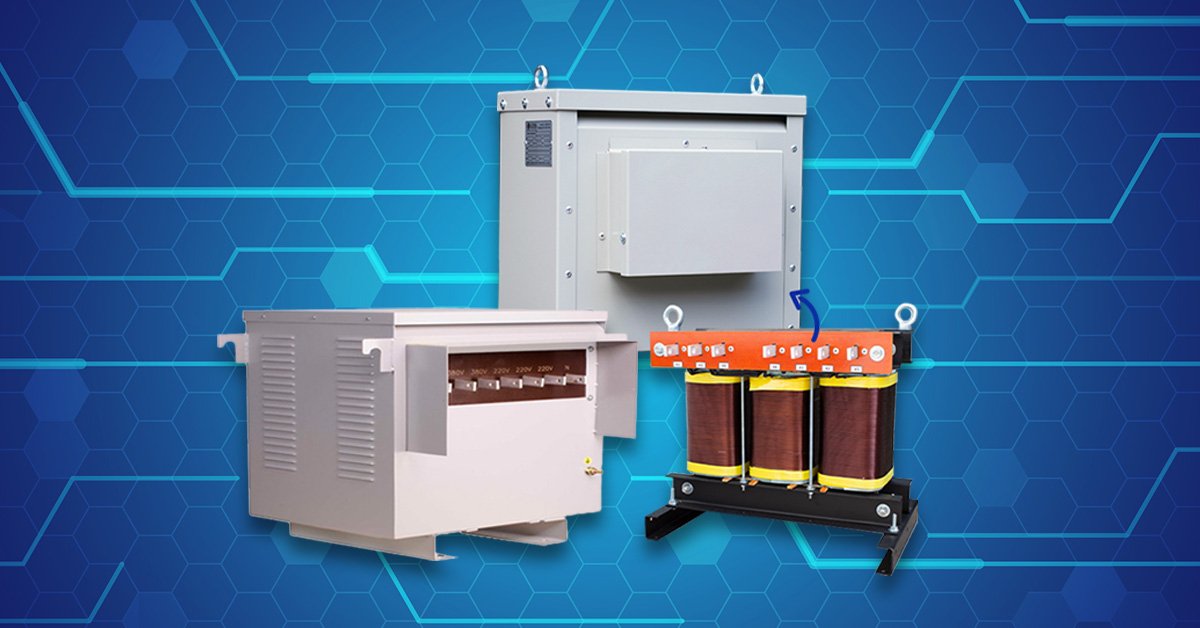
After all, both have the same goal of electrical power transmission, but their applications and characteristics are distinct. In this article, we will highlight the differences between this equipment and their applications to help you choose the best one for your needs. Let's get started.
Autotransformer: what it is, what it is for and advantages
The autotransformer is a device that consists of a single winding around a ferromagnetic core. Thus, it is used to step up or step down the voltages required for the equipment or systems to be supplied.
Therefore, it is important to protect the equipment components, preventing overload or power outages.
For example, if you connect a computer designed for 127 v into a 220 v outlet without protection, it may overload and damage its parts.
With the use of the autotransformer, it will balance the energy and protect the equipment, allowing its normal and effective use.
Therefore, the advantages of the autotransformer include: its simplicity, lower cost, and smaller size compared to isolation transformers.
Isolation transformer: what it is, what it is for and advantages
The isolation transformer has a ferromagnetic core and two or more separate coils wound around it. So, it provides safety and power quality through galvanic isolation between the primary and secondary system.
In this way, it is used to match voltages and attenuate noise from the power input, acting as a filter and protecting the loads.
In addition, it also has the function of delivering the neutral, as well as minimizing the effects of harmonics present in the grid.
Although its acquisition cost is higher, its advantages include: extra protection, quality electrical power, and delivery of the neutral when necessary. Furthermore, it is a robust component, with two coils to ensure more protection.
Autotransformer or isolation transformer: which one to choose?
To choose between an autotransformer and an isolation transformer, it is important to evaluate the protection and safety needs of the electrical loads, the installation location of the equipment, and the quality of the electrical power supply.
The autotransformer is recommended for simple voltage adjustments and does not feature galvanic isolation between the primary and secondary windings, working on the principle of self-induction.
On the other hand, the isolation transformer is more reliable and effective in systems sensitive to harmonics and residual currents, featuring a physical separation and an insulating material that promotes even greater isolation.
The isolation transformer is larger and more expensive than the autotransformer, but it offers greater protection and power quality.
Therefore, while the autotransformer is used for simple voltage adjustments, the isolation transformer is used in situations that require extra isolation.
Find autotransformers and transformers ready for delivery at Trifásica Elétrica
Trifásica Elétrica is a company that offers autotransformers and transformers for all required powers and voltages in different types of projects — commercial, residential, solar projects, and customized ones. In addition, we offer personalized solutions to meet the specific needs of each customer.
Did you like it? Then, contact us right now to learn more about the subject and also to purchase the best products for your construction and/or renovation projects.
Frequently asked questions
Does an autotransformer isolate the grid?+
No. It does not offer galvanic isolation; primary and secondary share part of the winding.
When to prefer the isolation transformer?+
When galvanic isolation is required for safety or to reduce noise and interference.
Trifásica Elétrica distributes medium voltage materials throughout Brazil.
Request a quote